Cultural contrasts in casino experiences around the world
Global Gambling Traditions
Cultural attitudes toward gambling vary significantly across the globe. In many Western countries, such as the United States and Canada, casinos are often vibrant hubs of entertainment. They feature elaborate themes and an array of amenities, from fine dining to lavish shows, creating an immersive experience that attracts tourists and locals alike. The emphasis is not just on the games but on the overall atmosphere, which encourages social interaction and entertainment beyond gambling. As a notable example, platforms like https://gullybetindia.in/ provide diverse options for players seeking excitement and engagement.
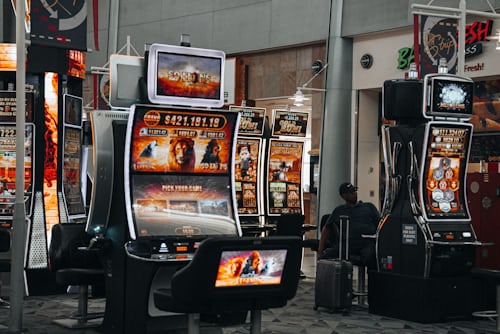
Contrastingly, in parts of Asia, such as in Macau and Singapore, casinos embody a different approach. These locations often blend traditional cultural elements with modern gaming. Macau, known as the “Gambling Capital of the World,” features casinos that integrate aspects of Chinese culture, including architecture inspired by ancient temples and ceremonies. This melding creates an environment where gambling is not merely a pastime but a culturally significant activity, drawing visitors for both its entertainment value and its unique cultural experience.
In some regions, gambling is seen through a more skeptical lens, influenced by religious or moral beliefs. For example, countries like the Philippines have a complex relationship with gambling, where it is legal but often accompanied by strict regulations to mitigate social issues. Here, the cultural perception of casinos can blend excitement with caution, highlighting the diverse ways communities interpret gambling’s role in society.
Casino Design and Atmosphere
The physical design of casinos can reveal much about cultural values and preferences. In many Western casinos, the focus is on creating a space that feels luxurious and indulgent. Opulent decorations, high ceilings, and expansive gaming floors are common, designed to immerse players in a world of excitement and wealth. Many casinos also utilize bright lights and sound effects that cater to an exhilarating experience, aiming to keep players engaged and entertained for hours.
In contrast, Asian casinos often employ different design philosophies. For instance, many incorporate Feng Shui principles, emphasizing balance and harmony. This can be seen in the layout, color choices, and even the materials used in construction. These elements work together to create an atmosphere that feels both inviting and respectful of cultural traditions, allowing guests to enjoy their experience while also feeling a connection to the cultural roots of the location.
Moreover, the atmosphere within these casinos can greatly differ. In Western establishments, the vibe is often boisterous, filled with laughter and cheers, as patrons celebrate their wins. In contrast, casinos in places like Japan may lean toward a more subdued ambiance, where gambling is approached with a sense of reverence. Here, the experience can feel more contemplative, with players taking their time to appreciate the game rather than rushing to win.
Types of Games and Player Engagement
The types of games offered at casinos can also vary based on cultural preferences. In many Western casinos, poker and slot machines are popular, with a strong emphasis on games that encourage social interaction. These games often come with established communities and tournaments, fostering camaraderie among players. Many casinos host events that not only focus on gambling but also provide entertainment, drawing in crowds and creating a festive environment.
On the other hand, Asian casinos may focus more on games like baccarat and pai gow, which have deeper cultural significance. These games often involve skill and strategy, attracting players who appreciate the intricacies of gameplay. The engagement level is typically higher, as these games often include rituals and traditions that enhance the experience, making it not just a game of chance but also a cultural event.
Additionally, the approach to player engagement can differ widely. In Western casinos, loyalty programs are prevalent, encouraging players to return through rewards and bonuses. This business model prioritizes building a community of regulars. In contrast, many Asian casinos may focus less on loyalty programs and more on the quality of the immediate gaming experience, ensuring each visitor has a memorable time regardless of their frequency of visits.
Legal and Regulatory Contexts
The legal frameworks governing gambling can greatly influence casino experiences, shaping everything from the types of games available to how casinos operate. In the United States, for instance, each state has its regulations, leading to a patchwork of laws that affect casino operations. States like Nevada embrace a free-market approach, while others enforce strict limits, influencing the types of casinos and experiences that can flourish.
In many Asian countries, gambling laws can be particularly stringent. For example, while Singapore has recently embraced casino development as part of its tourism strategy, it has also implemented strict regulations to ensure responsible gambling. This includes high entry fees for locals and a focus on creating a safe gambling environment. These legal constraints can affect how casinos design their experiences and market themselves, prioritizing a balance between entertainment and social responsibility.
In some regions, particularly in parts of the Middle East, gambling is entirely prohibited due to religious beliefs. This significantly alters the landscape of entertainment options available, often pushing gambling activities underground or leading to the growth of online gambling markets. Understanding these legal nuances is essential to grasping the full scope of casino experiences across cultures.

Modern Online Casino Platforms
With the advent of technology, online casinos have gained tremendous popularity, bringing new dimensions to gambling experiences. Platforms like Gullybet India cater to a global audience by offering a diverse range of games, from slots to live dealer options. This shift allows players to experience the thrill of gambling from the comfort of their homes, providing a level of accessibility previously unattainable.
In contrast to physical casinos, online platforms often emphasize simplicity and security, featuring user-friendly interfaces and straightforward registration processes. With options to transact in various currencies, including local denominations, these platforms create a more inclusive environment for players worldwide. This adaptability underscores the global nature of modern gambling, bridging cultural divides and catering to a multitude of preferences.
Moreover, responsible gaming initiatives have become increasingly important within the online casino sector. Sites like Gullybet prioritize player safety, offering features to promote responsible gambling practices. This commitment not only enhances the player experience but also reflects broader societal values around gambling, further evolving the landscape of casino experiences around the world.